
When delegates arrived at our recent event, ‘Walking on Eggshells: Ending Male Violence Against Women’, we asked them to begin with something a little unexpected for a safeguarding conference: co-create a fictional practitioner. Her name was Jessica, chosen collectively by the room, and over the course of the day she became the emotional thread that tied our learning together.
Character creation sits at the heart of our participatory arts work because it gives people a way to explore challenging issues while staying emotionally safe. Conversations about domestic abuse, coercive control and trauma can stir up personal memories or make people feel exposed. A fictional character gently shifts the focus. Delegates could speak through Jessica rather than about themselves or a colleague, creating enough distance for honesty, reflection and curiosity.
In our immersive session, Jessica came to life quickly. Delegates described her as a 26-year-old just starting out in the sector – warm, committed and full of heart, but also a little overwhelmed. She was navigating the end of a relationship, back living with her mum and sharing custody of a bulldog called Elvis. She carried her own lived experiences quietly, motivated by a desire to ‘give something back’, yet sometimes doubting whether she had what it takes. All of this came directly from the delegates, drawing on their professional realities and the feelings that shape their daily work.
Once we had created Jessica together, we imagined that we were meeting three women in her caseload and explored together what she might need to know to support her work with them.
Returning to Jessica’s viewpoint helped us stay grounded. Instead of approaching the case studies from a distance, delegates imagined what Jessica might notice or feel. How would she respond to Elizabeth’s long-term coercive relationship? What support would she offer to Kerri’s children? How might she cope with the delicate and dangerous dynamics of so-called honour-based abuse? These conversations became more human, more compassionate and more rooted in real-world practice.
One of the most powerful things about the exercise was the way it levelled the room. Everyone contributed to Jessica – from experienced safeguarding leads and new practitioners, to everyone in between. Because she belonged to all of us, she became a shared space for vulnerability. It was easier for people to say, ‘Jessica might find this hard,’ than ‘I find this hard,’ but the insight carried the same weight. Character creation allowed people to name challenges without fear of judgement, supporting trauma-informed learning in a way traditional case studies rarely do.
By the end of the conference, Jessica felt less like a fictional construct and more like a reflection of the sector itself – its dedication, its doubts, its resilience and its extraordinary humanity.
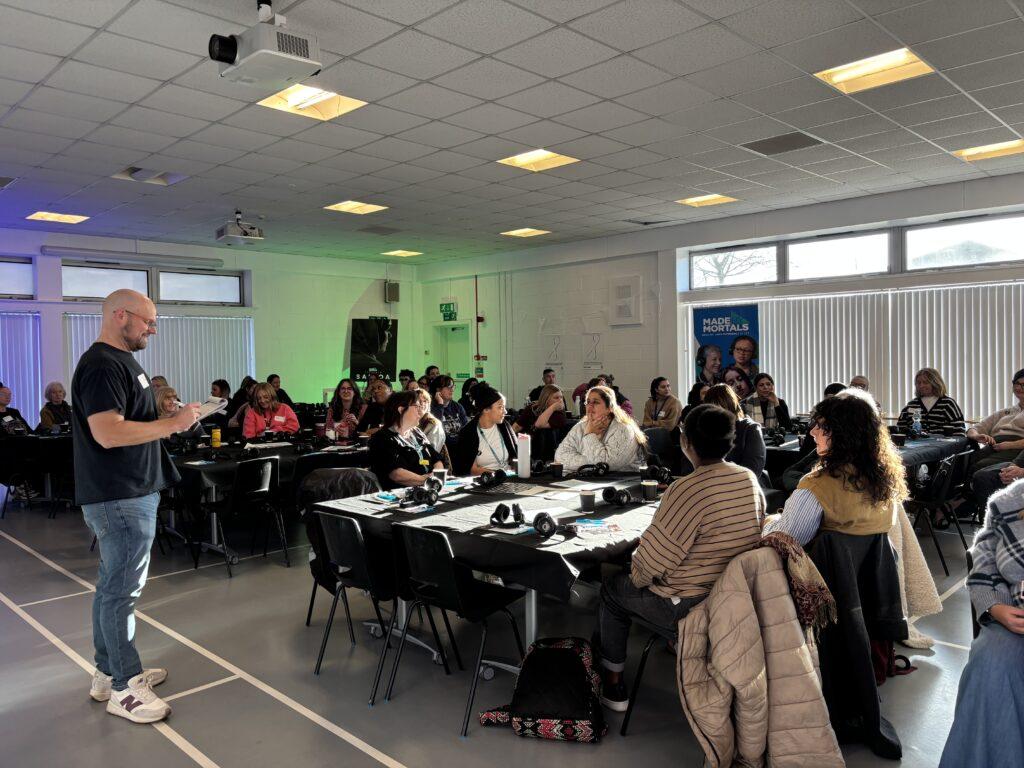
“Creating Jessica and also having case studies not just shared on a piece of paper but through film and audio, helped bring the issue to life and offer more chance for reflective practice.”
– DA Practitioner & conference attendee
If you’d like to explore how character creation can enrich training in your organisation, request the full conference report and all the resources from our conference day here.
Looking for ways to bring lived experience into your work?
Sign up for our Members Area to access audio stories, training materials, and workshop guides—all themed around key health & social care topics. Start exploring today!
For more information about how Made By Mortals can support your project including a quote, please email admin@madebymortals.org or call 0161 804 2078